BelliranER — Continuum (2026)
Continuum does not begin with a story.
It begins with the moment a life can no longer continue in the way it once did.
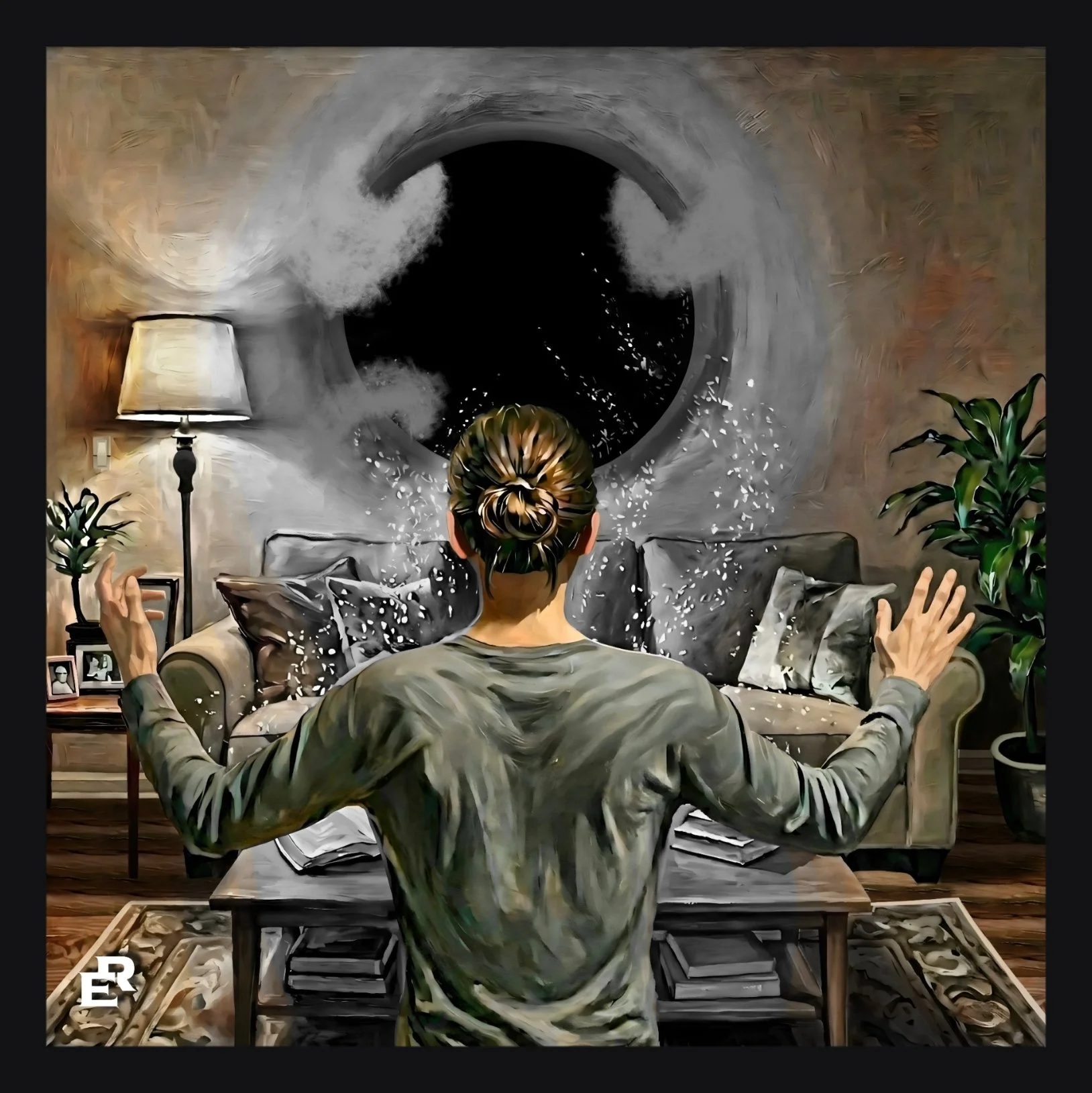
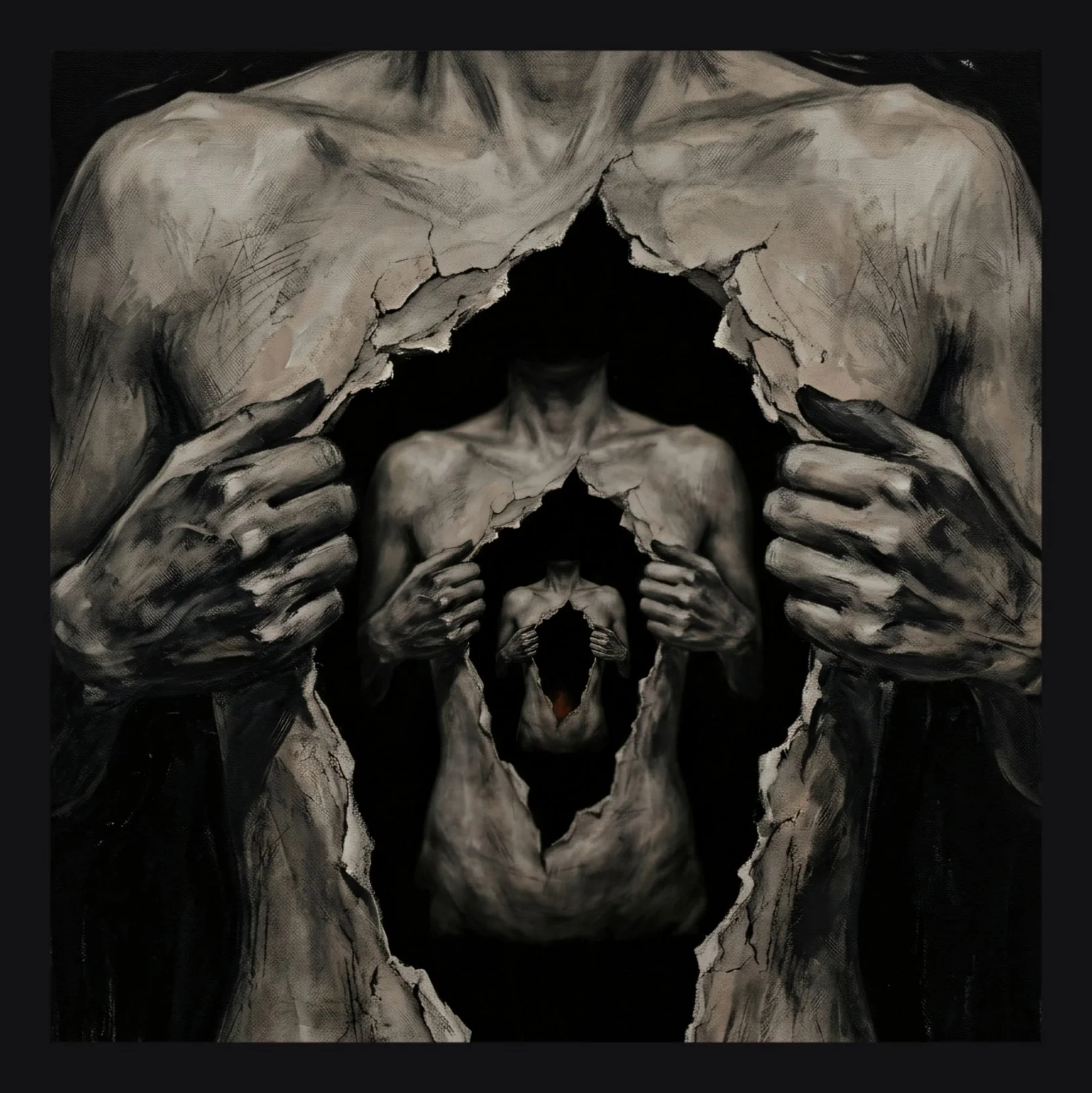
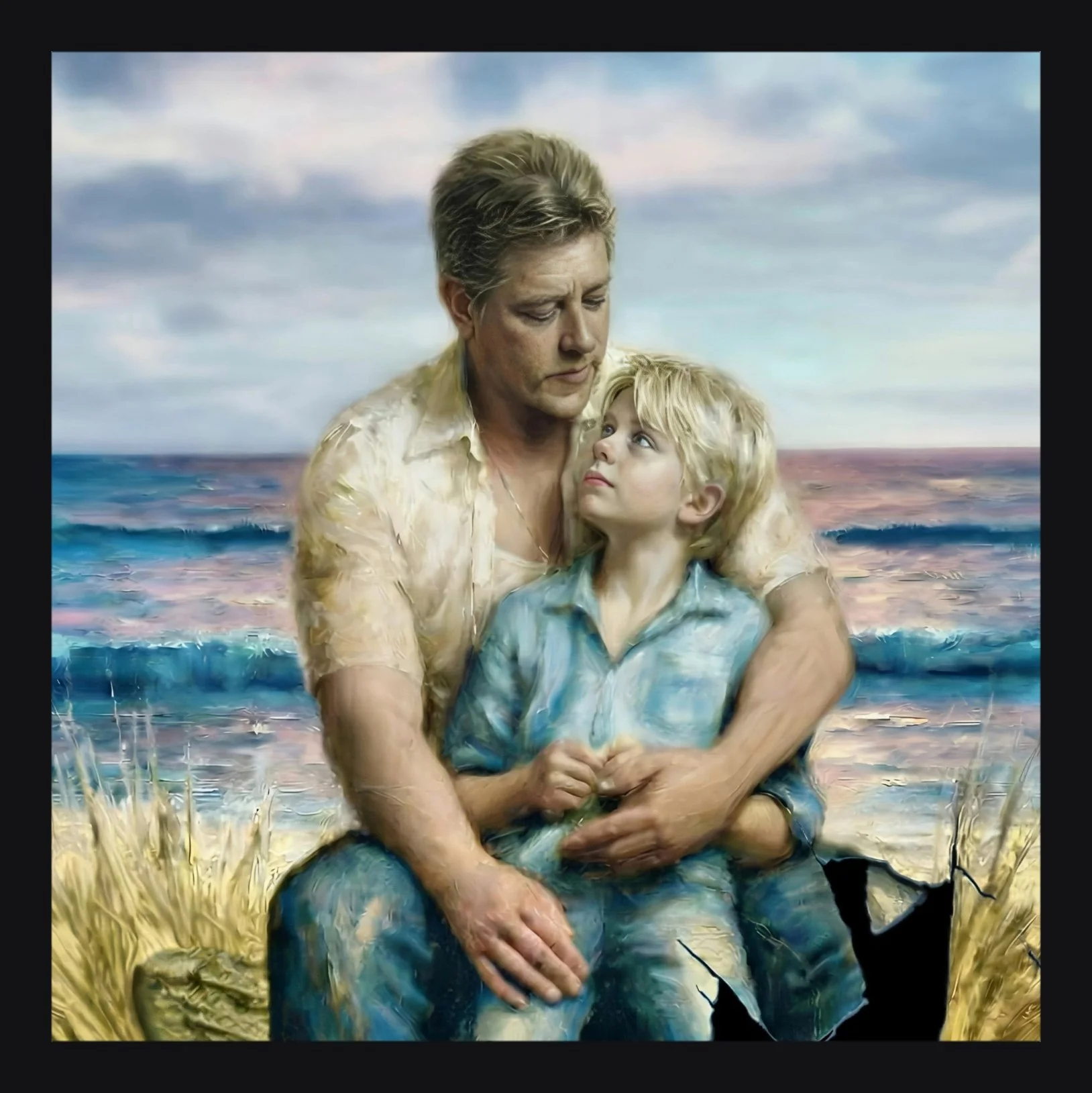
Born from lived experience yet speaking beyond autobiography, the series does not recount events. It explores conditions: the shifting landscapes through which identity, memory, trust, and presence are transformed when the structures that once sustained them begin to give way.
Rather than unfolding chronologically, the works follow a psychological movement.
They pass through collapse, suspension, questioning, recognition, and, ultimately, the quiet work of becoming.
Each phase does not replace the one before it.
It carries it forward.
The fractures remain visible.
The questions are not erased.
What changes is the relationship between the self and what it can no longer undo.
The figure that returns throughout the series is not a character.
It is a persistence.
A presence that continues even as its forms are altered, even as certainty loosens its grip and the familiar world can no longer be inhabited in the same way.
Within Continuum, love does not prevent fracture.
Hope does not erase suffering.
Healing is not the restoration of what was lost.
Instead, each becomes a different way of remaining present to life after it has changed beyond recognition.
The series does not search for resolution.
It asks what can still be carried.
What can still be trusted.
What can still be created.
And whether a life shaped by rupture can become something more than the sum of what it has endured.
Continuum does not close.
Like the condition from which it takes its name, it continues to unfold—shaped by what changes, by what remains, and by what quietly refuses to disappear.
Not a return.
Not an ending.
A movement carried forward.
Continuum does not offer answers. It follows the changing conditions through which a life continues when certainty has already given way. The works that follow do not trace recovery, but an unfolding movement—from fracture, through the search for meaning, toward the quiet act of becoming. Continuation is not presented as a return to what was, but as the creation of what becomes possible when something essential still remains.
This is where continuity first breaks.